The Roman Thermae of ancient Odessos in Varna, my hometown. Nearly 1,800 years of history, with the modern city continuing behind them.
Good morning, Sensemakers!
We can use modern science and technology to make an ancient practice more personal, useful and effective.
I took the photo above in Varna, my hometown.
On the left are the remains of the Roman Thermae of ancient Odessos. On the right are the buildings of the modern city.
Nearly 1,800 years in one frame.
The Roman Thermae were built at the end of the second century AD. They covered more than 7,000 square metres, making them the largest Roman baths discovered in the Balkans and the fourth largest in Europe.
Some of the preserved walls still rise more than 20 metres above the ground.
This was not simply a place where people washed.
The complex included hot, warm and cold rooms, spaces for exercise, rest and conversation. Marble, coloured mosaics and carefully designed heating and water systems turned bathing into a complete experience.
1. What did the Romans understand?
Water was part of Roman public life.
They invested enormous resources in aqueducts, baths, fountains and systems for moving, heating and managing water.
An inscription discovered in Varna tells us that during the reign of Emperor Antoninus Pius, the city and the Roman governor brought water to Odessos through an aqueduct.
A few days ago, during my trip to Rome, I kept seeing evidence of the same respect.
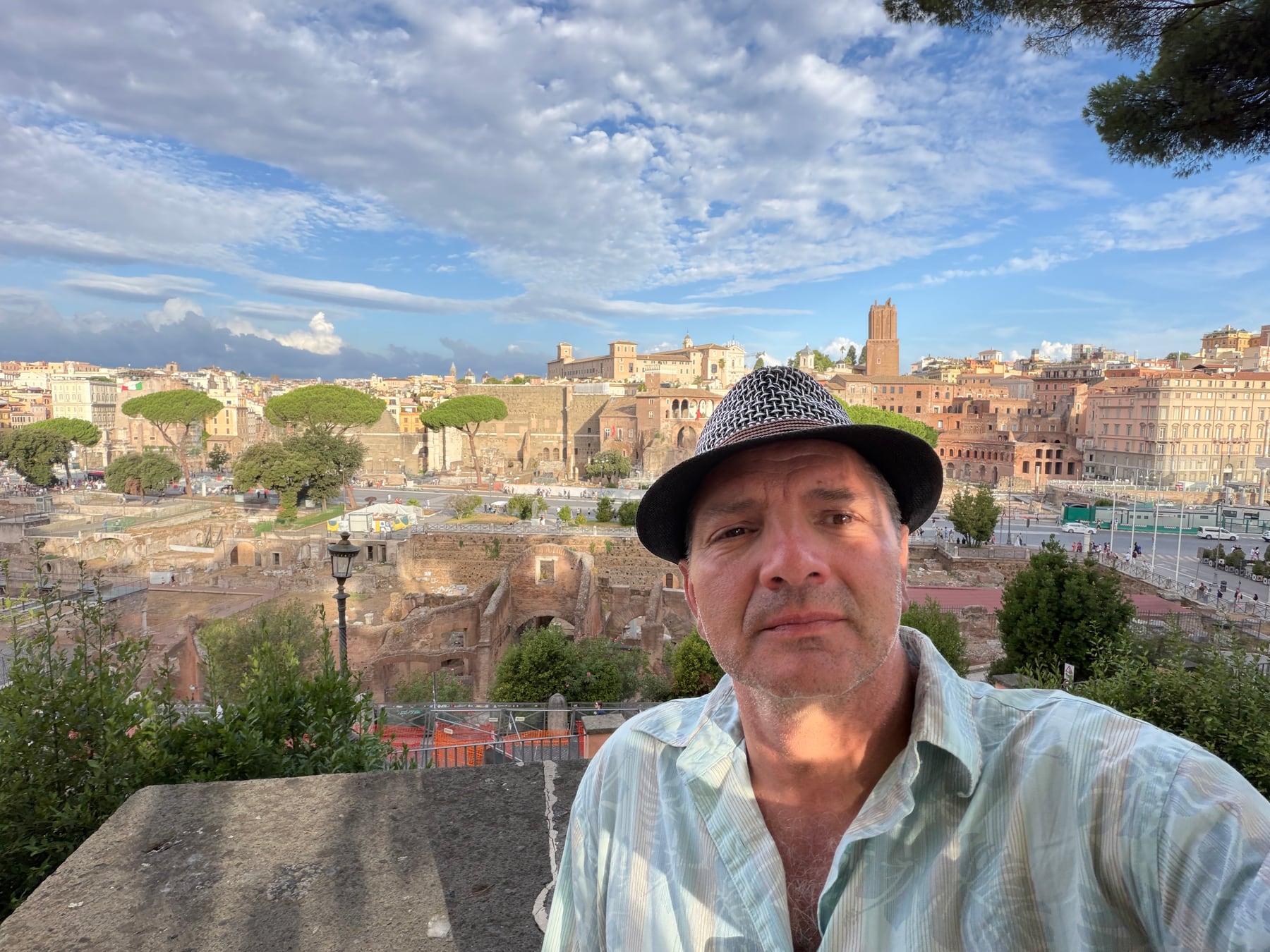
At the Baths of Caracalla, water arrived through a dedicated branch of one of Rome’s great aqueducts.
Visitors moved through rooms with different temperatures. They exercised, received body care, walked, met other people and spent time reading or studying.
The Romans did not have wearable technology, modern laboratories or our current understanding of human biology.
But they understood that water, temperature, movement, recovery and social connection belonged together.
We should also be precise.
Roman baths are not scientific proof that thermal or mineral water extends life. Many of them were supplied by aqueducts and the water was heated.
Their real lesson is different. They developed systems around water because they recognised its importance for health, restoration and everyday life.
2. What does the evidence tell us today?
Modern science gives us reasons to take thermal mineral water seriously, but not to turn it into another exaggerated longevity promise.
Systematic reviews of clinical trials report that thermal mineral water treatments can reduce pain and improve physical function and quality of life in people with osteoarthritis and other musculoskeletal conditions.
A large observational study following more than 30,000 adults in Japan found that frequent hot bathing was associated with a lower risk of cardiovascular disease.
Associated does not mean caused.
The study was about hot bathing, not specifically mineral water. It does not prove that taking more baths will make us live longer.
Research also suggests that warm water bathing may support sleep and relaxation.
At the same time, not every study finds improvements in every health marker. Some studies are small. The quality of the evidence varies.
So the honest conclusion is not: Thermal water guarantees longevity.
What kind of water was used? At what temperature? For how long? How did the person respond? What changed afterwards?
Mineral water is not magic. Heat is not harmless. Longer is not always better.
The details matter.
3. Where do we go from here?
Many hotels, SPAs and thermal destinations already have something valuable: mineral water, thermal pools, established procedures, experienced therapists and a strong connection to their location and history.
What is often missing is a clear way to understand how the individual person responds.
Technology can help.
We can begin with the person’s condition, needs and resources. We can record the water composition, temperature, duration and frequency of the procedure.
We can observe relevant changes in heart rate, sleep, recovery, pain, movement and perceived wellbeing. Then we can use the response to adjust the next experience.
Not to replace the tradition. To understand it better.
Technology should not turn a thermal experience into a laboratory. It should quietly help the experience become safer, more personal and more useful.
This is also the thinking behind SenseMost.
SenseMost helps hotels, SPAs and thermal destinations use what they already have, including mineral water, facilities, established procedures and local knowledge, to create more personal and effective longevity experiences.
Science and technology can help us understand how each person responds and how the experience can be adjusted. Not to replace the tradition, but to make better use of it.
You have the asset. We build the longevity layer.
The same logic already runs through Making Sense and TEMELI.
Evidence. Clarity. Action.
Start with what is real. Understand what matters for this person. Turn that understanding into something they can use.
The Romans built systems around water.
We can now build understanding around the individual.
It is inspiring to be alive at this moment.
We can respect what earlier civilizations discovered through experience. We can examine it through science. We can use technology to make established procedures more personal and effective.
Not ancient or modern.
The best of both, used with common sense.
How will I know whether this was useful for me?
That question changes the experience.
It moves us from assumption to attention. From a procedure offered to everyone to an experience that can begin to learn from the individual.
Was this useful?
Did it help you make a little more sense of the noise and lead you to action?
Reply and tell me. I read every reply.
If you know someone who would find this useful, please forward it to them.
One focused idea every Wednesday.
Health, longevity and human performance without the noise. Subscribe to receive Making Sense by email.
- Roman Thermae of Varna, Regional History Museum Varna.
- Roman Thermae, Visit Varna.
- Baths of Caracalla, Turismo Roma.
- Effects of thermal mineral waters on pain and quality of life in patients with osteoarthritis, systematic review of clinical trials, 2023.
- Effectiveness of thermal mineral water therapy for osteoarthritis, systematic review and meta-analysis, 2021.
- Habitual tub bathing and cardiovascular disease risk, prospective study of 30,076 adults, 2020.
One subject at a time. Less noise. More clarity. In under five minutes.